


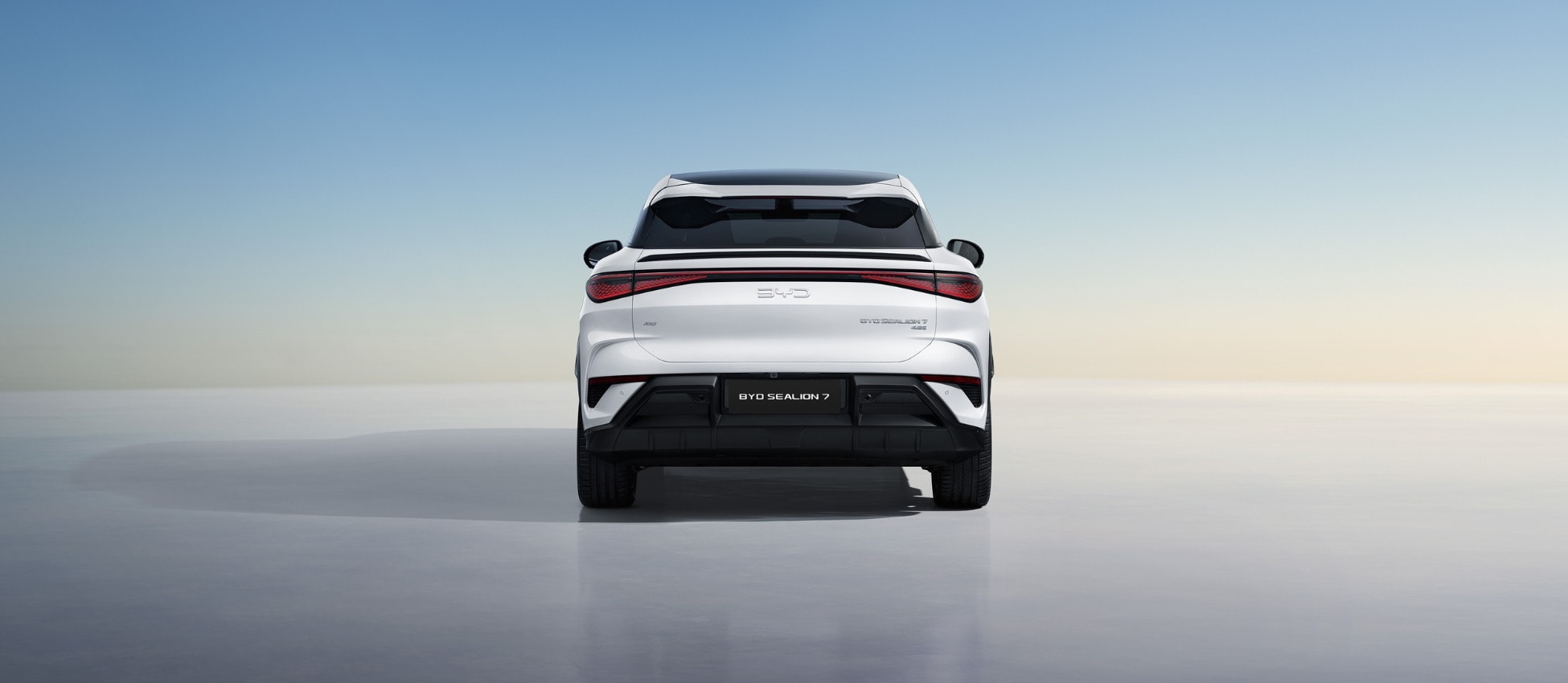
Dec 3, 2025, 12:00:00 AM GMT
What’s the Difference Between Hybrid and Plug‑In Hybrid Vehicles?
Hybrid electric vehicles combine two power sources, the internal combustion engine and the electric motor, to improve fuel economy and reduce emissions. A plug-in hybrid, however, brings something more: a battery pack that you can recharge from an external power source. That difference gives your vehicle more time in all-electric mode, more electric range, and more control over how you drive. This guide by BYD UAE dives into those differences and helps you decide whether a hybrid or plug-in hybrid best fits your lifestyle.
Hybrid vs. Plug‑In Hybrid: Power Sources and Operation
A hybrid vehicle, often called a regular hybrid, pairs a small battery and electric motor with a traditional gasoline engine. The engine and motor work together, in a parallel hybrid mode, to optimize fuel consumption without needing extra charging equipment.
A plug-in hybrid electric model adds a larger battery pack. You plug it in to recharge, filling that traction battery with electrical energy. That gives you a valuable stretch of locally emission-free driving before the combustion engine kicks in.
Plug-in hybrid vehicles offer:
- Electric mode driving for short commutes
- Regenerative braking that returns energy to the battery
- Lower fuel consumption and operating costs in mixed traffic
Meanwhile, a hybrid car relies on the engine more often, which keeps good fuel efficiency but doesn’t offer much electric range.
Electric Range and Daily Driving
The most significant difference is the electric range. A traditional hybrid usually drives in electric mode only for a few kilometers at low speeds. In contrast, most plug-in hybrids typically deliver 30–50 km in electric mode before switching to hybrid mode.
That extended range covers many urban driving needs, school runs, groceries, and short commutes, all while saving fuel. When that all-electric range finishes, the vehicle continues using the combustion engine without interruption.
Regenerative Braking and Efficiency
Both hybrid types use regenerative braking to convert motion back into electricity. As you slow down, the electric motor acts as a generator and stores energy in the battery. That reduces fuel consumption and adds efficiency. With a plug-in hybrid, regenerative braking charges a bigger battery, which gives you more charge to use later.
Fuel Consumption and Cost Comparison
Hybrid and plug-in hybrid models offer different fuel economy results:
- Hybrid vehicle: Generally runs efficiently thanks to shared engine and motor work
- Plug-in hybrid: Allows much of your daily driving to be on electricity, which lowers running costs
If you charge your plug-in hybrid regularly, you will pay less at the pump. Electricity costs are typically lower than gasoline per kilometer, making plug-ins more cost-effective over time, especially for short daily drives.
Charging Options and Setup
A regular hybrid doesn’t need external charging; it charges itself from the engine and braking. But a plug-in hybrid requires:
- A standard charging station or home outlet
- Some models can use fast chargers, but most use standard 240 V
- Plug-in hybrid cars often come with charging equipment included
Installing a home charger is easy. BYD UAE partners can help you choose and install a suitable unit, such as a Level 2 charger, for faster recharges. Learn about available charging solutions for plug‑in vehicles and home setups.
Driving Conditions and Flexibility
Hybrids are efficient on fuel, but always rely on the combustion engine. A plug-in hybrid vehicle gives you more flexibility:
- You start each day in electric mode
- You save gasoline when driving in electric range
- You have the fallback of a fuel tank for long trips
- You enjoy lower emissions during most driving
That flexibility makes plug-in hybrids great for people who drive often in the city but also want to take longer trips beyond the electric range.
Practical Benefits for SUV and Family Drivers
Families appreciate plug-in hybrids for their spacious interiors and added storage. The extended drivetrain doesn’t take up much room, and cars often include premium materials.
Because you can go full electric most days, fuel cell or engine use is limited. You enjoy comfort, zero-emission urban driving, and you only use gasoline for longer journeys.
EV vs. Plug‑In Hybrid vs. Hybrid: The Big Picture
Financial Incentives and Tax Credits
Many regions offer tax credits or rebates for plug-in hybrids. These help to offset the additional cost of larger batteries. In the UAE, BYD UAE offers promotions and support to help users switch to electric or plug-in hybrids, not only for savings but also for environmental impact.
Choosing the Right Vehicle for You
- A plug-in hybrid version is ideal if you drive short distances daily and want minimal emissions. A hybrid may be simpler and cheaper if you rarely charge and drive longer distances.
- A fully electric car offers the cleanest drive, but needs dedicated charging.
- BYD UAE offers plug-in hybrid models designed to cover all these scenarios. Contact us to compare options, arrange a test drive, or discuss your charging needs.
Final Thoughts: Making the Switch
Choosing between a hybrid and a plug-in hybrid depends on your schedule, driving style, and willingness to charge regularly. A plug-in hybrid offers more all-electric mode, better fuel efficiency, and control over your day-to-day fuel costs.
Start with your daily commute. Can you complete it on the electric range? Do you have access to charging stations? If so, a plug-in hybrid offers the significant advantage of minimal gas use and low overall operating costs.
Visit our showroom today to explore the full range of BYD UAE’s hybrid electric vehicle options or to book a test drive in one of our innovative models.
FAQ
1. Which is better: a hybrid or a plug-in hybrid?
A plug-in hybrid is ideal if you can charge your vehicle regularly and mostly drive short distances, as it can operate on electric power for many daily journeys. A standard hybrid is a good choice if you don't have convenient access to charging but still want improved fuel efficiency.
2. Does a plug-in hybrid need to be charged every day?
Not necessarily. However, charging it regularly helps maximize electric driving, reduce fuel consumption, and lower running costs. Even if the battery isn't charged, a plug-in hybrid can continue driving using its petrol engine.
3. Can a plug-in hybrid run without charging?
Yes. A plug-in hybrid can still operate without external charging by using its petrol engine. However, charging the battery allows you to enjoy better fuel efficiency and more electric-only driving.
4. Is a plug-in hybrid cheaper to run than a petrol car?
For drivers who charge regularly and mainly make short trips, a plug-in hybrid can have lower fuel costs than a conventional petrol vehicle. Savings depend on electricity prices, fuel prices, and driving habits.
5. What is the difference between a self-charging hybrid and a plug-in hybrid?
A self-charging hybrid charges its battery through regenerative braking and the petrol engine, while a plug-in hybrid has a larger battery that can also be charged using an external power source, allowing for longer electric-only driving.
6. Are plug-in hybrid cars suitable for driving in the UAE?
Yes. Plug-in hybrids are well suited for UAE drivers who have access to home or public charging and want the flexibility of electric driving for daily commutes while keeping the convenience of a petrol engine for longer journeys.

Follow Us On


© Al-Futtaim 2026. All rights reserved
© Al-Futtaim 2026. All rights reserved